In this article
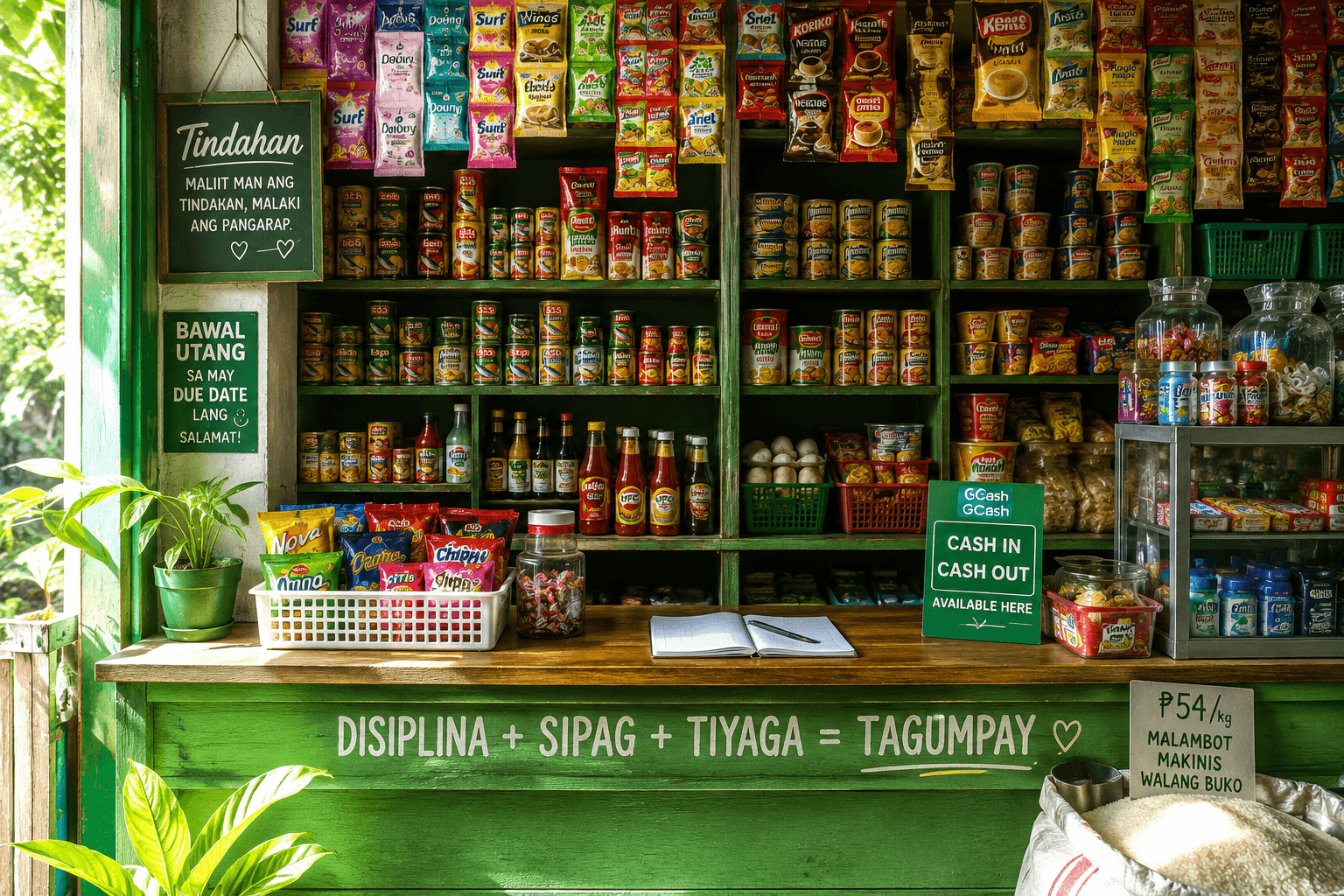
Many store owners work from early morning to late at night, every day. A good helper (tindera or tindero) lets you rest, run errands, buy stock and even open longer hours. But handing over the counter, and the cash drawer, is a big step. This guide covers when to hire, what to agree on, pay and benefits, training, and the simple habits that keep trust strong on both sides.
Signs it's time to hire
- You turn customers away because you're busy restocking or serving others.
- You can't leave the store to buy stock without closing it.
- You'd sell more by opening earlier or closing later, but you're already exhausted.
- Your sales are steady enough to pay a helper every payday, even in slow weeks.
Agree on the basics, in writing
Misunderstandings cause more problems than bad intentions. Before the first day, write down and both sign a simple agreement covering:
- Working hours, rest days and breaks.
- Pay, payday and how it's paid (cash or GCash).
- Duties: selling, restocking, cleaning, recording utang and GCash, opening and closing.
- Cash rules: how the drawer is counted at the start and end of each shift.
- What they can and can't do: for example, no utang above a set limit without asking you.
Pay and government benefits
Minimum wage rates in the Philippines are set per region by the Regional Tripartite Wages and Productivity Boards; check the current rate for your area on the National Wages and Productivity Commission (opens in a new tab) website. Under the BMBE Act (RA 9178) (opens in a new tab), registered Barangay Micro Business Enterprises are exempt from the Minimum Wage Law, but their employees are still entitled to the same benefits as regular employees, such as social security and health care.
Employers are generally expected to register their workers and remit contributions to SSS (opens in a new tab), PhilHealth (opens in a new tab) and Pag-IBIG (opens in a new tab). Rules and rates change, so confirm with each agency or a professional. This is general information, not legal advice.
A simple training checklist
- Where everything is, and how stock is arranged (expiry dates in front).
- Prices of the top items, and where to check the rest.
- How to record each sale, including split payments.
- Your utang rules: who can take credit and how much. See how to manage utang.
- How to do GCash cash-in, cash-out and load, and how to avoid scams (never release cash before the money arrives).
- Opening and closing routine, including counting the drawer.
- What to do if something goes wrong: a short delivery, a broken item, an angry customer.
Cash habits that protect everyone
Good cash habits aren't about suspicion; they protect your helper too, because every peso is accounted for. Businesses call this separation of duties (opens in a new tab): the person who handles cash isn't the only one who checks it.
- Start every shift with the same change fund and count it together.
- Record every sale as it happens, including utang and GCash.
- Count the drawer together at the end of the shift and compare with recorded cash sales.
- Keep big bills in a separate vault, not the drawer.
- Look into small differences calmly. A wrong change now and then is normal; a pattern needs a conversation.
When it doesn't work out
Sometimes a helper isn't the right fit. Talk early and privately when you notice problems, explain what needs to change, and give them a fair chance to improve. Keep notes of what was agreed. If you do part ways, settle their final pay and any benefits properly, and change any passwords or store logins they used the same day.
Build trust and keep good helpers
Replacing a helper costs time and money. Pay on time, give rest days, say thank you, and share small rewards when sales are good. Explain the reasons behind your rules. A helper who understands why the drawer is counted is far more likely to follow the routine, and to stay.
Summary
Hire when the store needs it and can afford it, agree on everything in writing, follow wage and benefit rules, train side by side, and use simple cash habits that protect both of you. Pair this with a nightly end-of-day check and you can step away from the counter with peace of mind.
Frequently asked questions
How much should I pay a sari-sari store helper?
Minimum wage rates are set per region; check the current rate for your area on the National Wages and Productivity Commission website. Registered BMBEs are exempt from the Minimum Wage Law under RA 9178, but employees still get the same benefits as regular employees.
Do I need to register my helper with SSS, PhilHealth and Pag-IBIG?
Employers are generally expected to register workers and remit contributions to SSS, PhilHealth and Pag-IBIG. Confirm the current rules with each agency.
How do I make sure my helper handles cash properly?
Start each shift with a fixed change fund, record every sale as it happens, count the drawer together at the end of the shift, and keep large bills in a separate vault.