
In this article
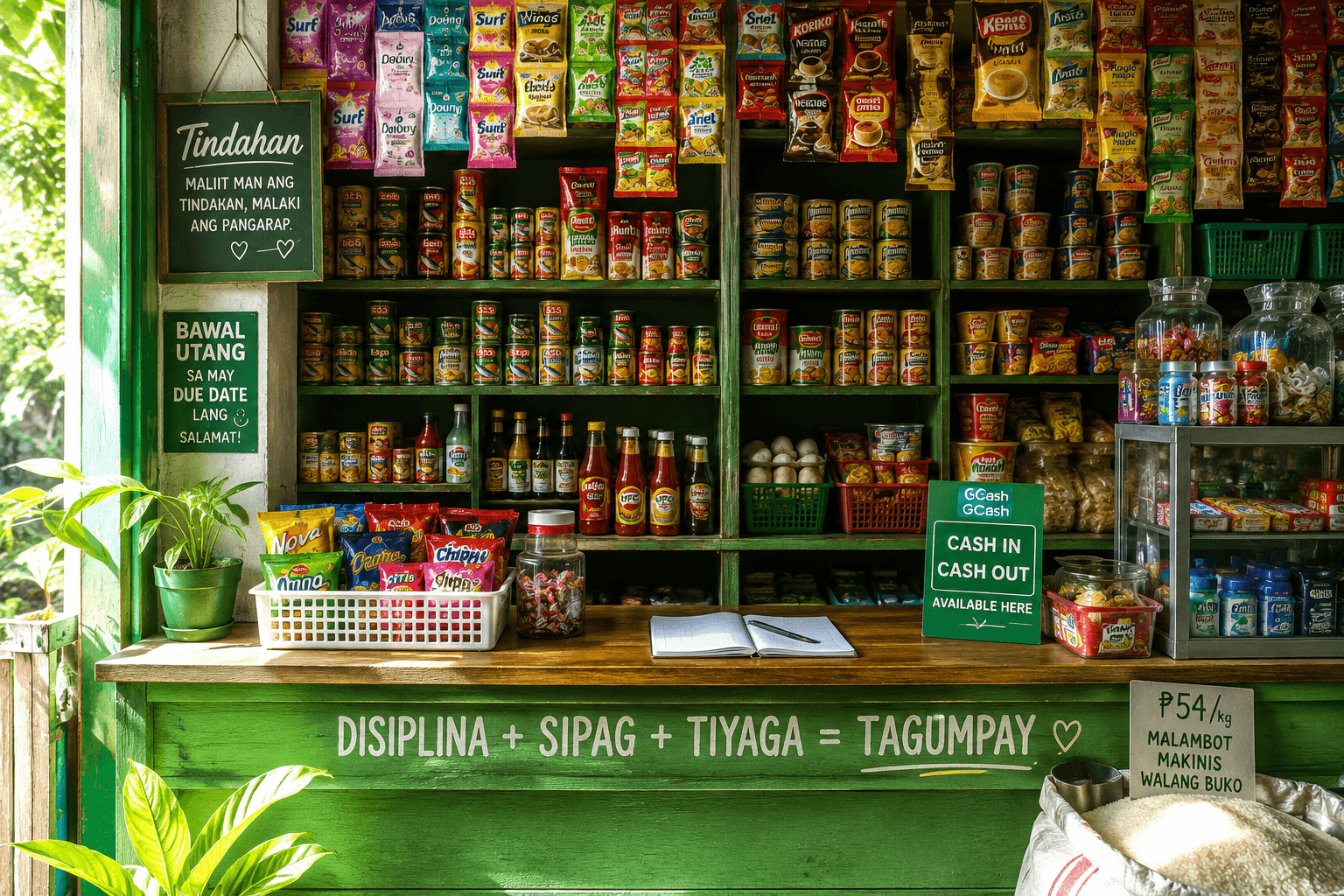
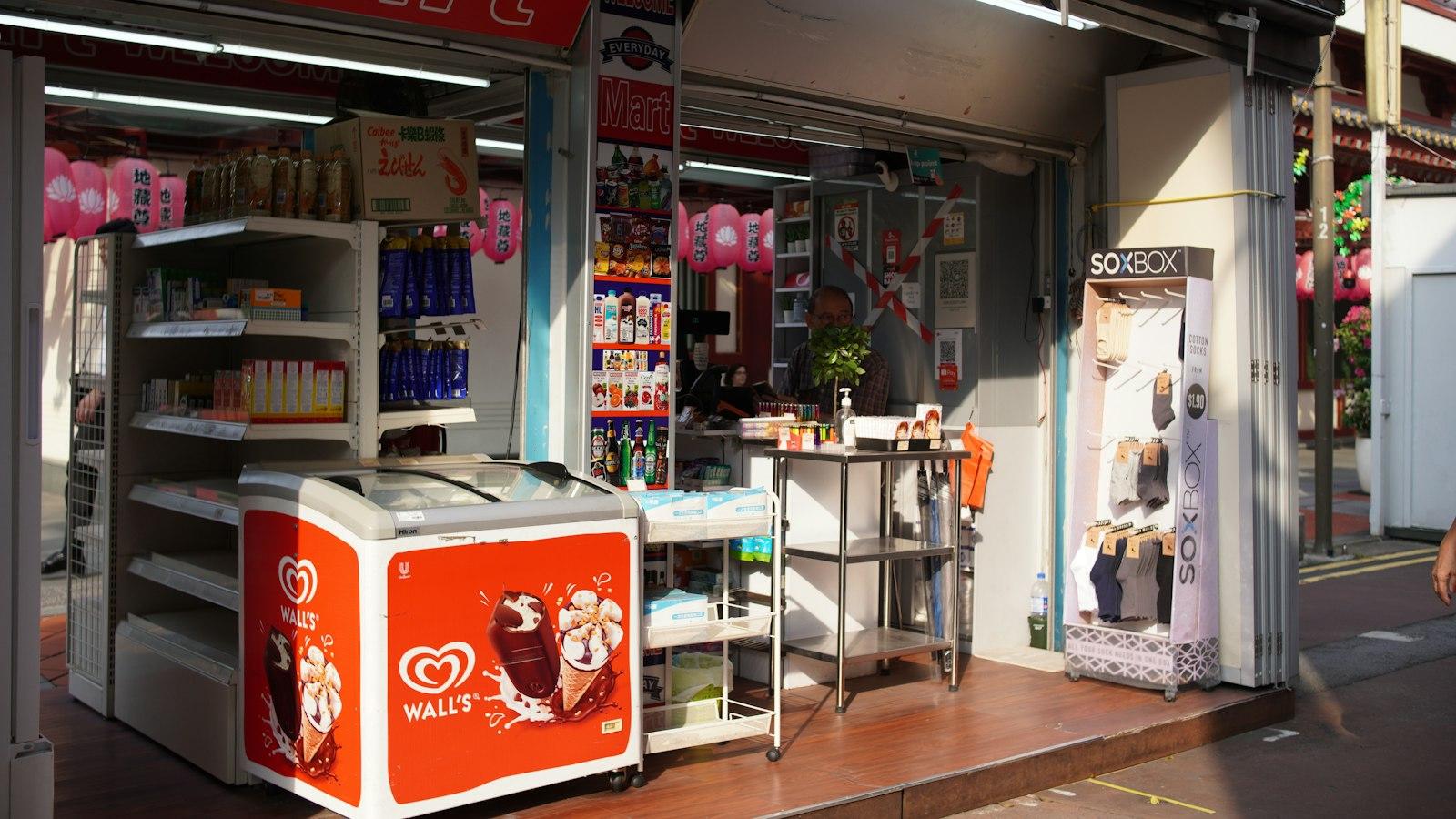
Many successful minimarkets (opens in a new tab) started as a sari-sari window. Growing can mean more customers, a wider selection and better buying prices, but it also means more stock, more cash tied up, more people to manage and more ways to lose money. This guide helps you decide when you're ready and how to grow without risking everything you've built.
Signs your store is ready to grow
- Steady profit for many months, not just one good season. Your records show it, not only your feeling.
- Customers keep asking for items you can't fit or can't afford to stock.
- Your shelves and storage are always full and you restock several times a week.
- You already have reliable suppliers and good buying habits.
- You have savings set aside for the expansion, separate from your restocking fund.
What changes when you become a minimart
| Sari-sari store | Minimart | |
|---|---|---|
| Products | Dozens to a few hundred | Hundreds to over a thousand |
| Customers | Serve through a window | Walk in and pick items themselves |
| Staff | Owner and family | Often one or more helpers per shift |
| Cash in stock | Smaller | Much larger |
| Systems | Notebook can work | Barcodes, stock counts and reports become essential |
| Risks | Utang, expiry | Plus shoplifting, bigger expiry losses and staff errors |
Plan the money first
List every cost before you commit: renovation, shelves and racks, refrigeration, lighting, security (grills, CCTV), signage, the extra opening stock, and at least a few months of operating money for salaries, electricity and rent. A walk-in store needs much more opening stock than a window store, because empty shelves look worse when customers walk the aisles.
Design a layout that sells
In a walk-in store, layout drives sales. Big chains plan every shelf with a planogram (opens in a new tab), a map of where each product goes. You can use a simple version:
- Daily essentials at the back so customers walk past other items on the way.
- Drinks and frozen items in visible refs, cleaned and fully stocked.
- Impulse items at the counter, where every customer waits.
- Clear aisles and price labels so customers can serve themselves.
- A counter with a view of the door and aisles, to reduce shoplifting.
Upgrade your systems before you need them
With hundreds of products, a notebook stops working. Before you expand, set up a system for sales, stock by expiry date, suppliers and staff, so you're not learning it in the middle of your busiest weeks. Barcode scanning speeds up checkout and reduces wrong prices; staff logins let helpers sell without seeing your profit; and daily reports show which new categories are worth their shelf space.
Update your permits and tax registration
A bigger store may change your business permit, especially if you move, expand the space, add services or change your line of business. Check with your city or municipal hall. On taxes, a business whose gross sales go over the ₱3,000,000 VAT threshold has to register for VAT, and options like the 8% income tax rate no longer apply; confirm your situation with the BIR (opens in a new tab) or a tax adviser. If you're registered as a BMBE, check whether you still qualify under the ₱3,000,000 asset limit in RA 9178 (opens in a new tab). This is general information, not legal or tax advice.
Measure the results after you grow
After each step, compare your numbers with the months before: total sales, gross profit, expenses and the money left after your salary. Check which new categories actually sell and which only take up space. If a step isn't paying for itself after a few months, adjust before taking the next one. The monthly profit check is a simple way to do it.
Common mistakes when growing
- Spending the restocking fund on renovation, then having empty shelves on opening day.
- Copying a big chain's product list instead of what your neighbors buy.
- Hiring without cash controls, so losses grow with the store. See hiring a store helper.
- Dropping the personal touch that made customers loyal in the first place.
Summary
Grow when your records, not just your hopes, say you're ready. Save separately for the expansion, grow in steps, plan a layout that sells, set up your systems early and update your permits. Most of all, keep doing what made your sari-sari store work: the right items, fair prices and a warm welcome. For ideas you can try right away, see 12 ways to increase sales.
Frequently asked questions
When should I expand my sari-sari store into a minimart?
When your records show steady profit for many months, customers keep asking for items you can't fit, you have reliable suppliers, and you have savings set aside for the expansion separate from your restocking fund.
Do I need new permits if I expand my store?
Possibly. Moving, expanding the space, adding services or changing your line of business can affect your business permit. Check with your city or municipal hall, and with the BIR if your sales will pass the ₱3,000,000 VAT threshold.
What's the biggest risk when growing a store?
Running out of cash: spending the restocking fund on renovation, overbuying stock, and taking on salaries before sales grow. Expand in steps and track your numbers closely.