In this article
Your profit starts the moment you buy, not when you sell. A peso saved per piece across hundreds of pieces a month adds up quickly. But the cheapest box isn't always the best deal once you count transport, time, expiry dates and reliability. This guide covers where small stores buy, how to compare suppliers properly and how to build relationships that get you better terms.
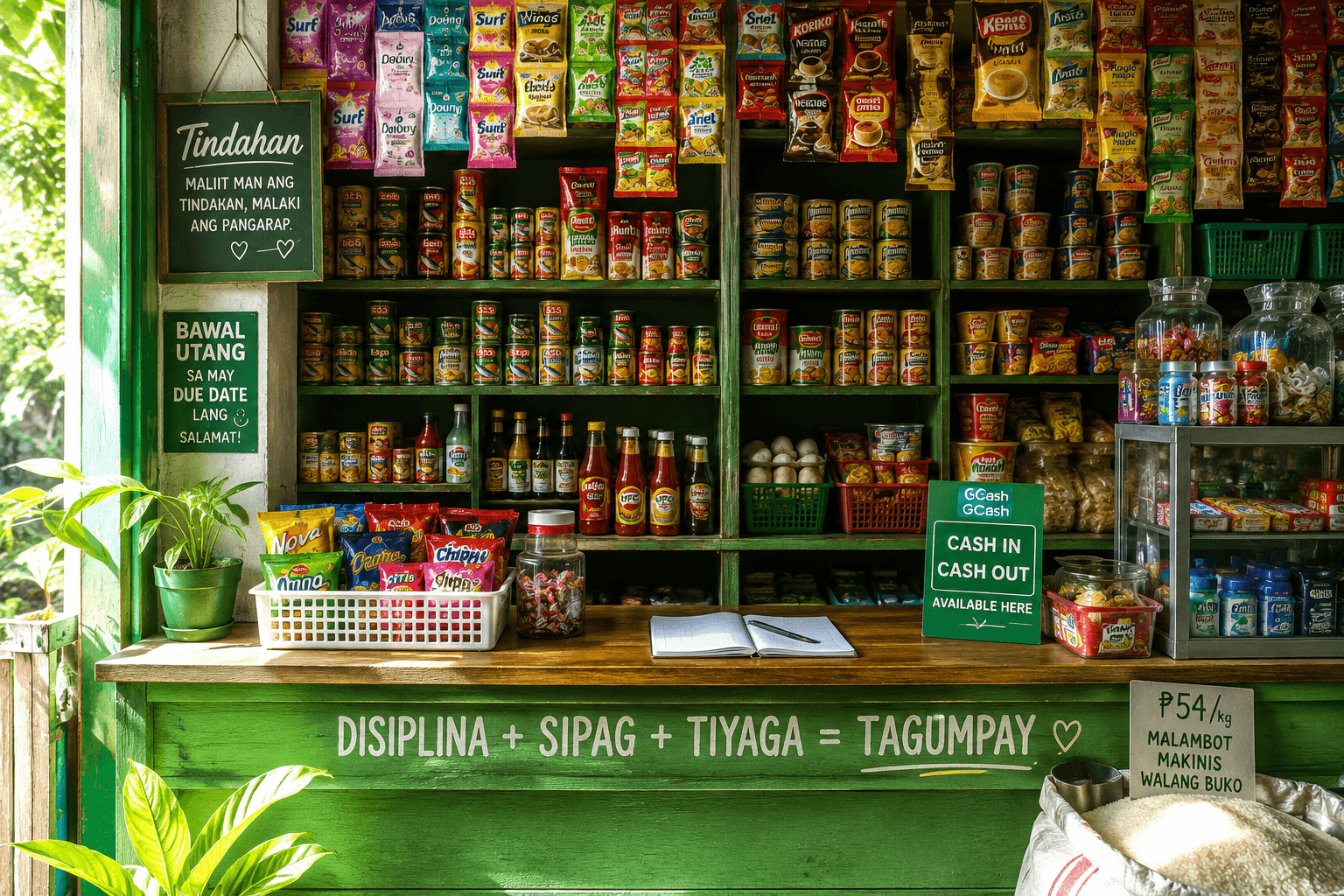
Where small stores buy their stock
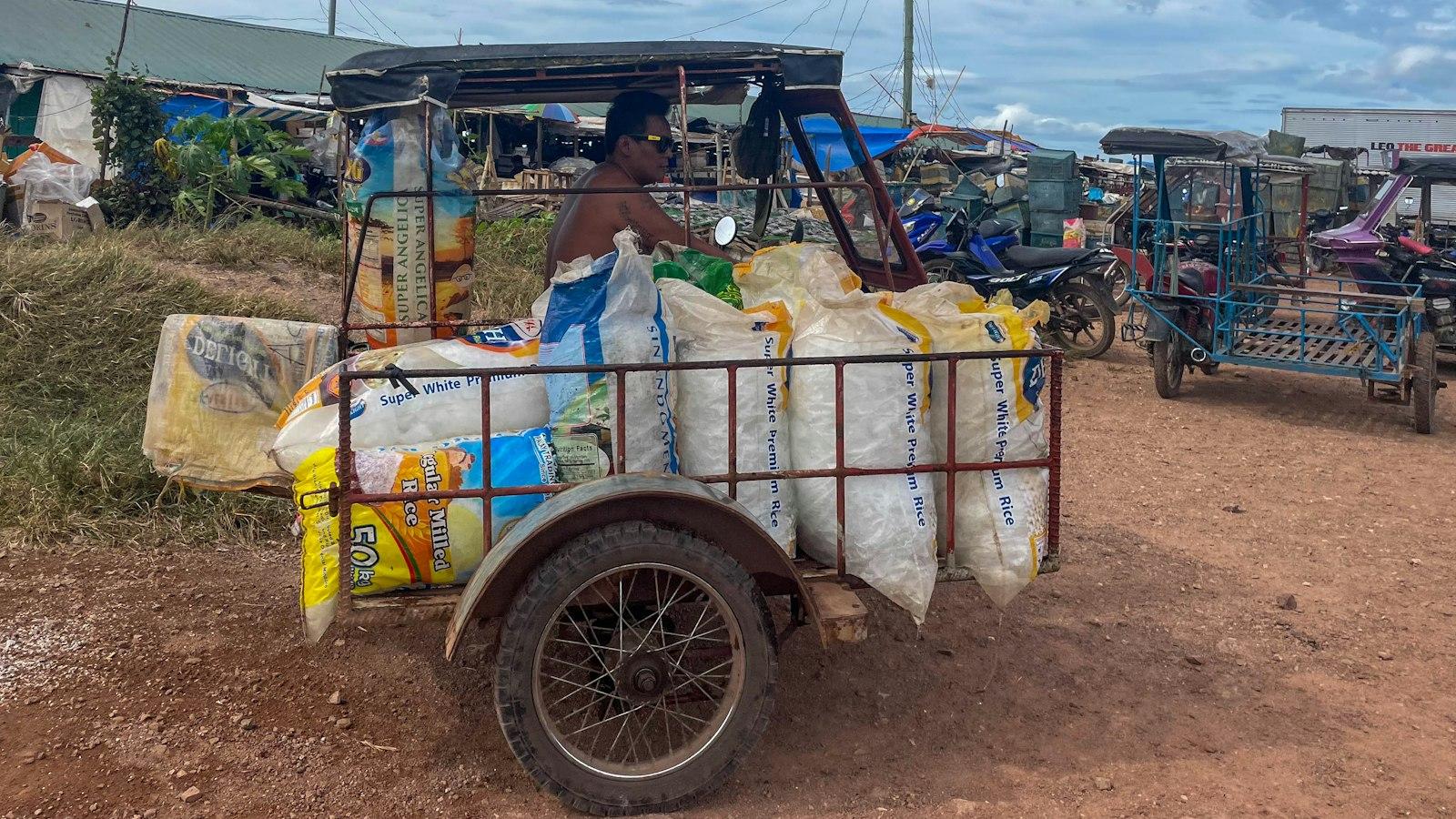
- Public markets and wholesale stores: mixed goods at good prices, and you can see the stock before buying. You usually handle transport yourself.
- Distributors and delivery agents: some brands and distributors visit stores in their route and deliver once you order regularly. Ask nearby store owners who covers your area.
- Wholesale clubs and big groceries: handy for promos and bulk packs, but compare the price per piece; not every bulk pack is cheaper.
- Local producers: bakeries, rice dealers, egg and ice suppliers. Fresh items often sell fast and give you a reason to be the go-to store.
Compare the true cost per piece
A lower box price can still cost you more once you add fare or fuel. Always compute the landed cost: what one piece costs you once it's on your shelf.
| Supplier A (delivers) | Supplier B (you pick up) | |
|---|---|---|
| Price per box | ₱180 | ₱170 |
| 10 boxes | ₱1,800 | ₱1,700 |
| Transport | Free delivery | ₱150 fare |
| Total | ₱1,800 | ₱1,850 |
| Cost per piece | ₱7.50 | ₱7.71 |
In this example, the "cheaper" supplier costs more per piece, before even counting your time away from the store. Buying more at once can lower the cost per piece (economies of scale (opens in a new tab)), but only if you'll sell it before it expires and you don't need that cash for anything else.
Questions to ask a new supplier
- What's the minimum order, and do you deliver to my area? On which days?
- Can I pay in cash, GCash or bank transfer? Do you offer terms (pay after a week) for regular buyers?
- What happens if items arrive damaged, short or near expiry? Can I return or exchange them?
- Do you have promos for bulk orders or new products?
- Who do I contact if a delivery is late?
Check every delivery
Count items and check expiry dates before the delivery person leaves. Mistakes are easy to fix on the spot and hard to prove later. Look for damaged packs, broken seals and dates that are too close for you to sell in time. For food and health products, packaging should show proper labels; the FDA Philippines (opens in a new tab) is the official source on product registration and safety.
Negotiate better terms
Negotiation (opens in a new tab) with suppliers isn't about haggling hard; it's about being a buyer they want to keep. Suppliers give better terms to stores that order regularly, pay on time and are easy to deal with.
- Order on a regular schedule so the supplier can plan your deliveries.
- Pay on time, every time. It's the best argument for better prices or payment terms later.
- Ask for what you need, not just a discount: free delivery, smaller minimum orders, or returns for near-expiry items can be worth more than a peso off.
- Join forces with nearby store owners to order bigger quantities together and share delivery.
- Keep two options for your most important items, so one supplier running out doesn't empty your shelf.
When a supplier lets you down
Late deliveries, short counts and sudden price increases happen. Handle them calmly and with records: note the date, what was ordered and what arrived, and raise it with the supplier the same day. If problems repeat, shift some of your orders to your backup supplier. You'll protect your shelves, and the original supplier often improves once they see you have options.
Keep supplier records
For each supplier, keep their contact, what you buy from them, the last price you paid and their delivery days. When prices change, you'll see it right away and can update your selling price the same day; our pricing guide explains why that matters.
Summary
Compare suppliers by the true cost per piece, not the box price. Ask clear questions, check every delivery, pay on time and build relationships that earn you better terms. Combine good buying with smart inventory habits and your puhunan will work harder for you.
Frequently asked questions
Where can I buy stocks for my sari-sari store?
Common sources are public markets and wholesale stores, distributors and delivery agents who visit stores, wholesale clubs and big groceries, and local producers like bakeries and egg or rice dealers.
How do I compare suppliers?
Compute the landed cost per piece: the total you pay including transport, divided by the number of pieces. Also compare delivery days, minimum orders, payment terms and how they handle damaged or near-expiry items.
Is buying in bulk always cheaper?
Not always. Bulk can lower the cost per piece, but only helps if you can sell the stock before it expires and you don't need that cash for other items.