In this article
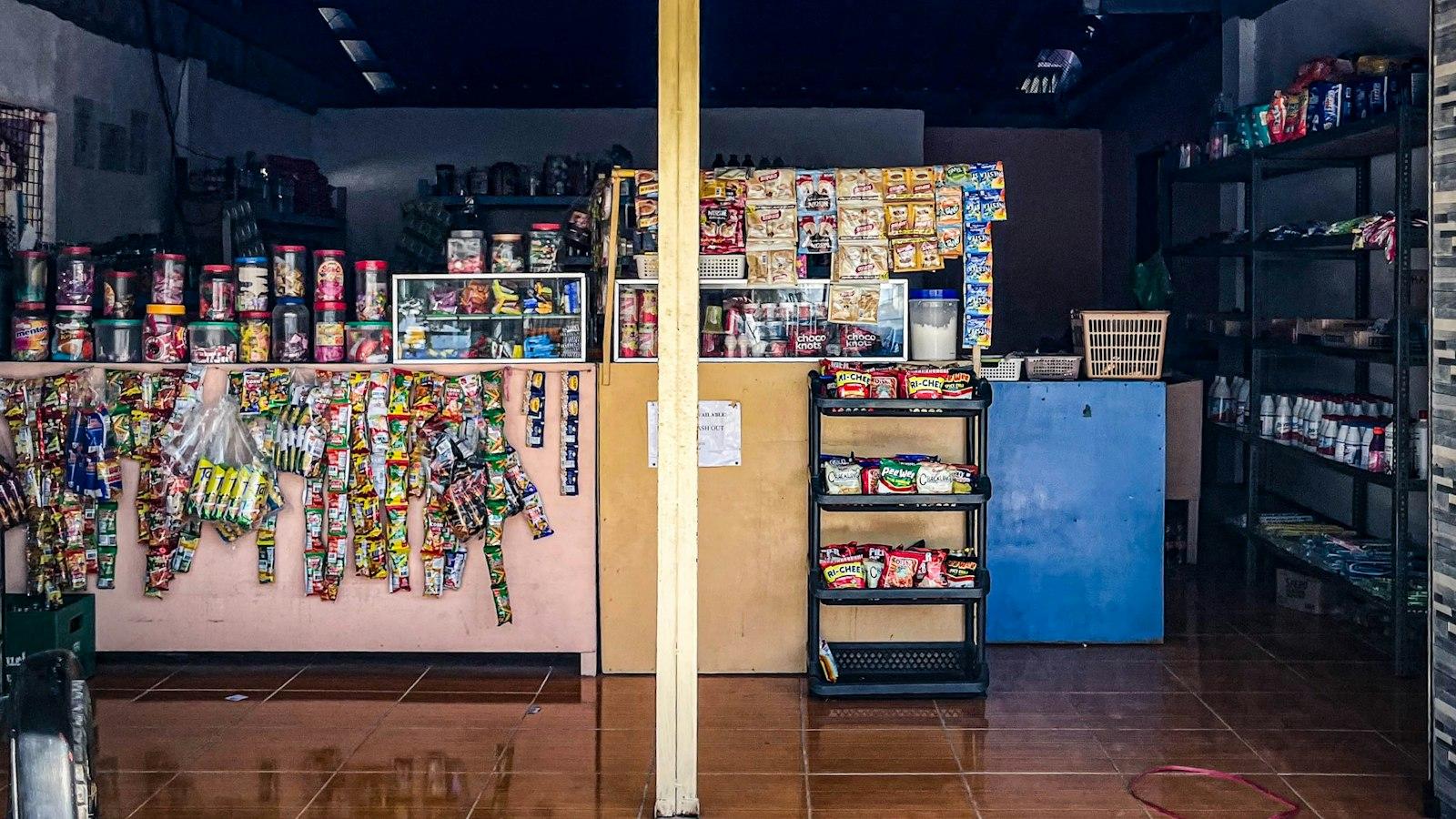
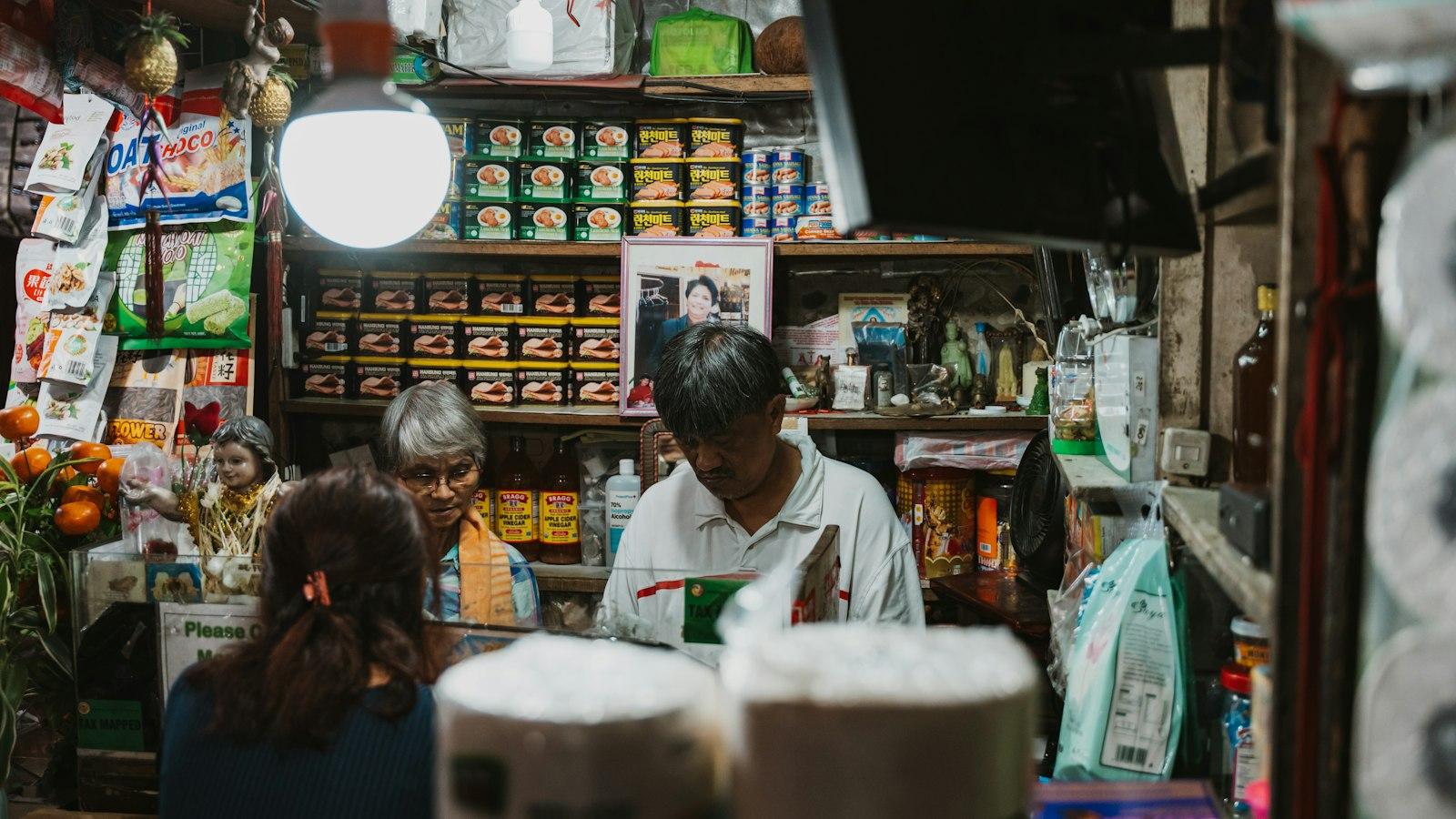
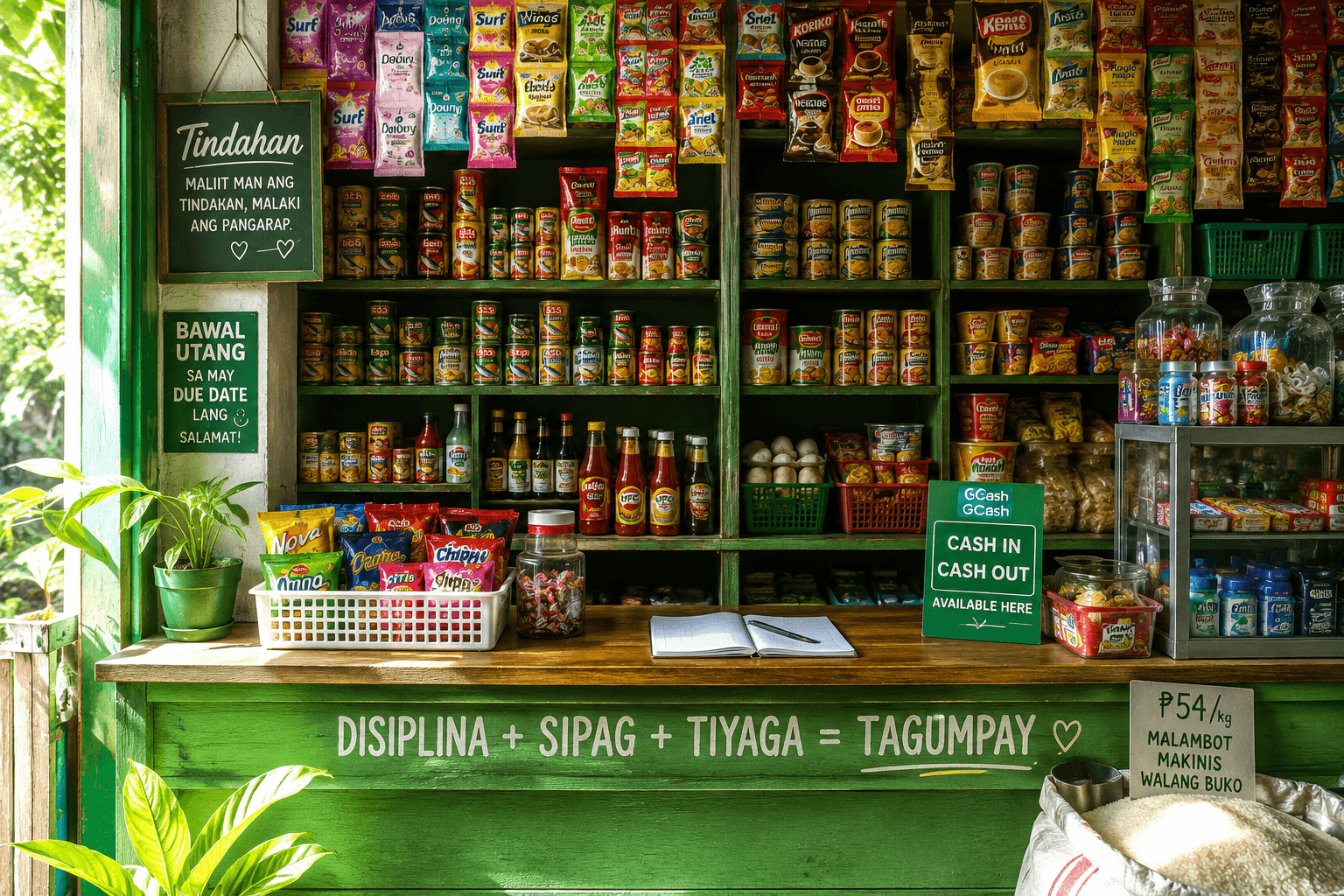
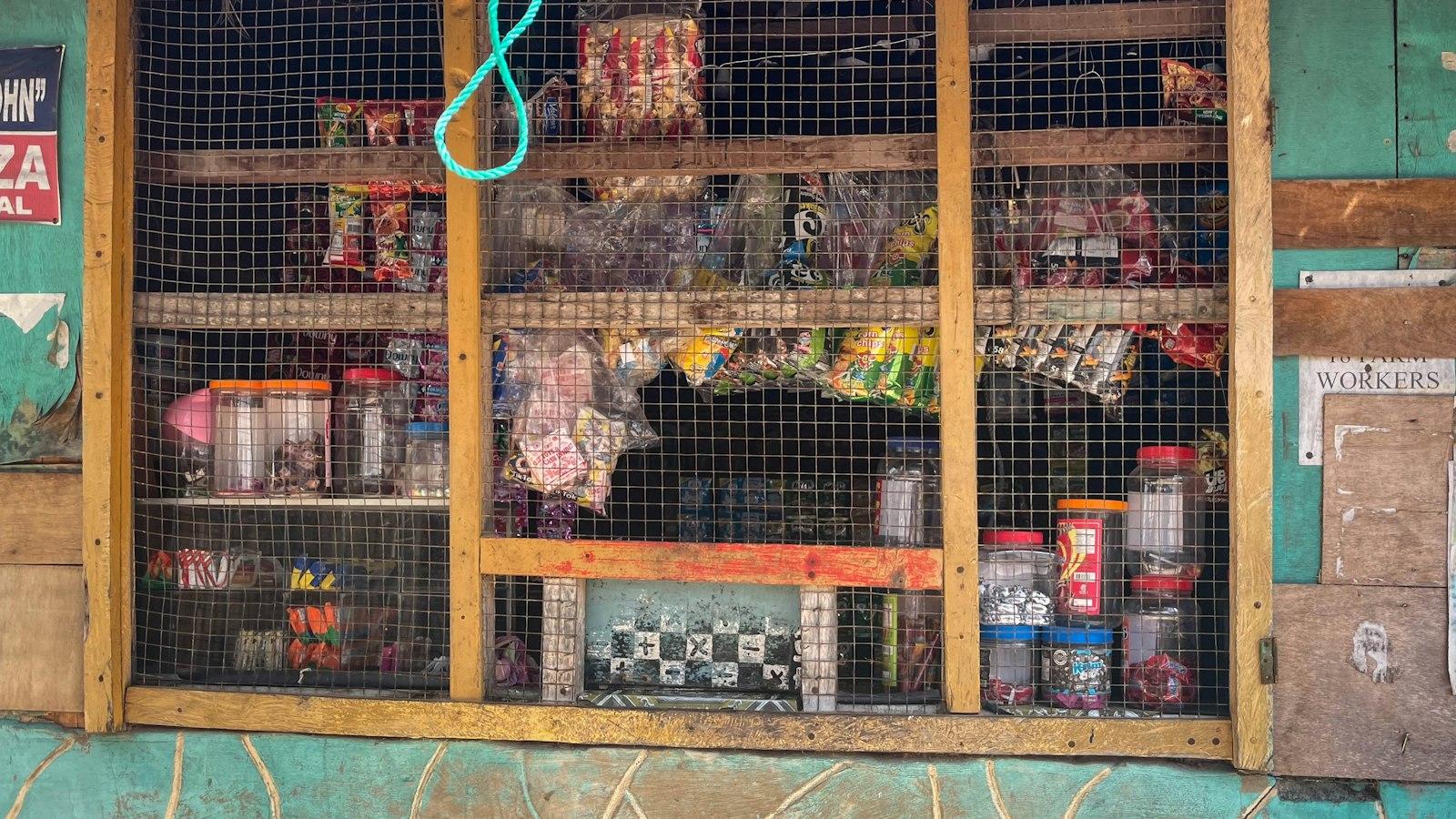
The sari-sari store (opens in a new tab) is one of the most familiar businesses in the Philippines. Almost every street has one, and for good reason: it needs little space, it sells things people buy every day, and it can start small and grow with your community. But a store that survives its first year is usually one that was planned, not just opened.
This guide walks you through the decisions that matter most, from choosing a spot to stocking your first shelf, so you can open with confidence and avoid the mistakes that quietly eat a new store's puhunan (capital).
Why a sari-sari store still works
Big supermarkets and convenience chains keep growing, yet neighborhood stores stay busy. Customers want a quick walk instead of a commute, they buy in small amounts (one sachet of shampoo, one egg, two cigarettes), and they trust a store owner who knows their name. That combination of convenience, tingi (per-piece) selling and trust is something big chains find hard to copy.
The trade-off is thin margins. Each item earns only a few pesos, so your profit comes from volume, tight stock control and keeping losses (expired goods, unpaid utang, missing cash) close to zero. Keep that in mind as you plan every step below.
Step 1: Choose the right location
Location decides most of your sales before you sell a single item. Walk the area at different times of day and count how many people pass. Look for:
- Foot traffic: near a school gate, jeepney or tricycle stop, basketball court, church or a busy corner.
- Distance from competitors: if three stores already sit on the same block, find a gap a few streets away or plan to offer something they don't (load, GCash, cold drinks, rice by the kilo).
- Households nearby: more homes within a five-minute walk means more daily repeat buyers.
- Your own home: many owners start from a front window or garage, which saves on rent. Check that it's safe to keep stock and cash there.
Step 2: Plan your puhunan (starting capital)
Write down every cost before you spend. Your starting capital usually covers three groups: setting up the space, your first stock, and a cash buffer for the first weeks. The amounts below are only an example for a small home-based store; your own numbers will depend on your area and size.
| Item | What it covers | Example amount |
|---|---|---|
| Space and fixtures | Shelves, window grill, counter, signage | ₱5,000–₱15,000 |
| Permits and registration | Barangay, DTI business name, mayor's permit, BIR | Varies by LGU |
| First stock | Your opening inventory | ₱10,000–₱30,000 |
| Equipment | Chest freezer or ref (optional), weighing scale | ₱0–₱20,000 |
| Cash buffer | Change fund and restocking money for the first month | ₱3,000–₱10,000 |
Step 3: Get your permits and registration
Registering protects your business and lets you grow later (supplier accounts, loans, government programs). Requirements differ by city and municipality, so always confirm with your local offices. The usual sequence is:
- Business name registration with DTI. Sole proprietors register a business name online through the DTI Business Name Registration System (opens in a new tab). The fee depends on the territorial scope you choose (barangay, city, regional or national).
- Barangay clearance from the barangay hall where the store operates.
- Mayor's permit or business permit from your city or municipal hall (the Business Permits and Licensing Office). They may ask for your DTI certificate, barangay clearance, proof of address and other documents.
- BIR registration. Register your business with the Bureau of Internal Revenue (opens in a new tab) for your Taxpayer Identification Number (if you don't have one yet), books of accounts and official receipts or invoices.
Should you register as a BMBE?
Under the Barangay Micro Business Enterprises Act (RA 9178) (opens in a new tab), a business with total assets of not more than ₱3,000,000 (not counting the land it stands on) can register as a BMBE with the treasurer's office of its city or municipality. A registered BMBE is exempt from income tax on income from its operations. The law says the first Certificate of Authority is issued free and is valid for two years, renewable. It's worth asking your municipal treasurer about it once your DTI registration is done.
For taxes, many small sellers whose yearly gross sales stay within ₱3,000,000 can choose the BIR's 8% income tax option instead of the graduated rates. Tax rules change, so confirm your options with the BIR or a tax adviser before you file. This article is general information, not legal or tax advice.
Step 4: Build your first stock list
Start with what your neighbors buy every day, not what you like. A good opening list is short, fast-selling and easy to restock. Most stores begin with:
- Daily food staples: instant noodles, canned sardines and corned beef, eggs, bread, sugar, salt, cooking oil in small packs, rice (if you have space).
- Coffee and drinks: 3-in-1 coffee sachets, powdered juice, softdrinks, bottled water.
- Snacks and candies: chips, biscuits and candies for students.
- Condiments: soy sauce, vinegar, fish sauce, ketchup, seasoning sachets.
- Toiletries in [sachets](https://en.wikipedia.org/wiki/Sachet): shampoo, conditioner, toothpaste, detergent powder and bar soap.
- Household basics: candles, matches, batteries, mosquito coils.
Buy small quantities first. After two to four weeks you'll see which items sell out and which just sit there. Our guide to sari-sari store inventory management explains how to spot your fast and slow movers.
Step 5: Find reliable suppliers
Your buying price decides your profit. Compare a few sources before you commit:
- Wholesale stores and public markets: good prices on mixed goods, but you'll need transport.
- Distributors and delivery agents: some brands deliver to stores directly once you buy regularly; ask other store owners who visits their area.
- Wholesale clubs and big groceries: handy for promos and bulk packs; compare the price per piece, not per box.
Write down your cost per piece for every product. You'll need it to set prices that leave you a fair profit; see how to price products and compute your tubo.
Step 6: Keep records from day one
The most common reason small stores close isn't low sales: it's not knowing where the money went. From your first day, keep track of four things: what you sell, what you buy, who owes you (utang), and how much cash should be in the drawer. A notebook works when you're starting. As you grow, an app saves hours every week and catches mistakes a notebook can't.
Common mistakes to avoid
- Mixing store money with household money. Pay yourself a fixed amount instead of taking from the drawer whenever you need it.
- Overstocking slow items because the supplier gave a discount on a full box.
- Giving utang without a limit or a record. Read how to manage utang without losing customers.
- Ignoring expiry dates until customers complain.
- Pricing by guesswork instead of from your actual cost per piece.
Final thoughts
A sari-sari store rewards consistency: the right items, fair prices, a clean and friendly counter, and records you can trust. Start small, learn what your neighbors buy, and reinvest your earnings into the products that sell. If you'd like to see how a digital record looks, explore our features or try the demo.
Frequently asked questions
How much capital do I need to start a sari-sari store?
It depends on your area and size. A small home-based store can start with tens of thousands of pesos for fixtures, first stock and a cash buffer. List every cost first, buy small quantities of fast-selling items, and keep a separate restocking fund.
What permits does a sari-sari store need in the Philippines?
Usually a DTI business name registration, a barangay clearance, a mayor's or business permit from your city or municipality, and BIR registration. Requirements vary by LGU, so confirm with your local offices.
Can a sari-sari store register as a BMBE?
Under RA 9178, a business with total assets of not more than ₱3,000,000, excluding the land it stands on, can register as a Barangay Micro Business Enterprise with its city or municipal treasurer. BMBEs are exempt from income tax on income from their operations.